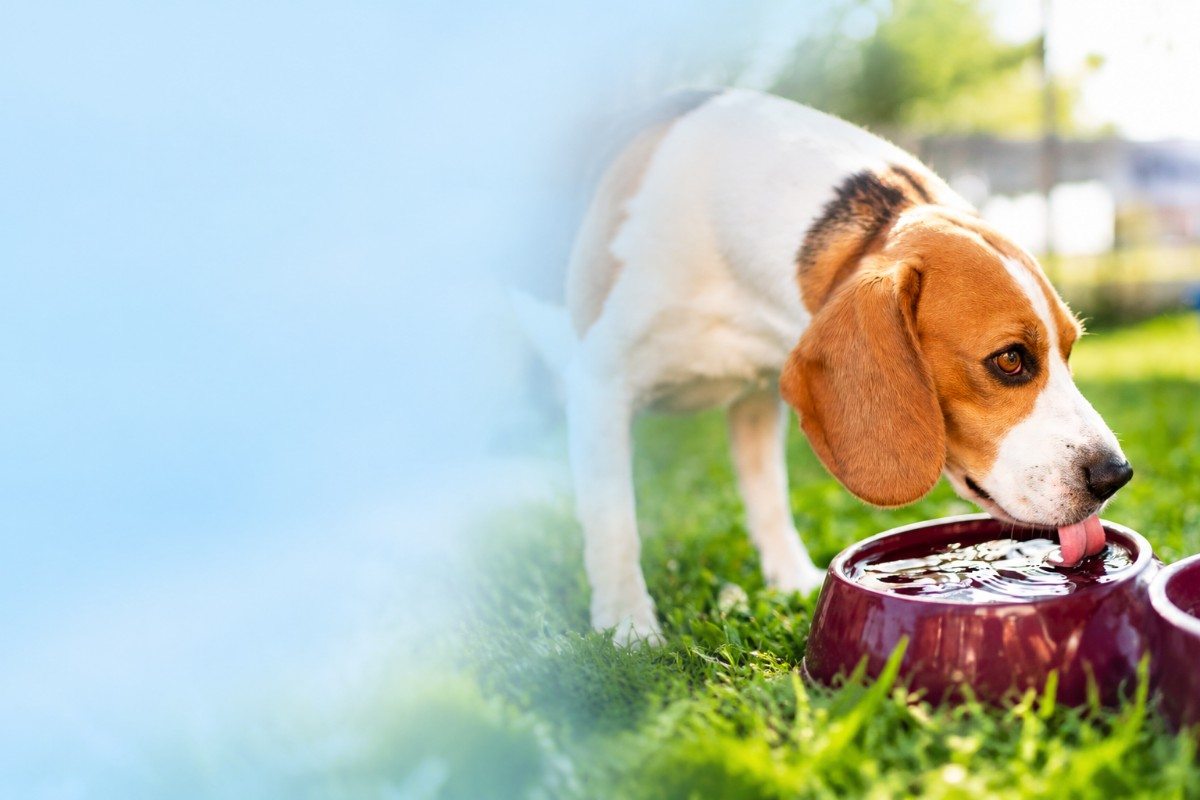
Yes, softened water is safe for most healthy dogs to drink. A water softener swaps hardness minerals for a small amount of sodium, and that amount is usually well below what your dog gets from food. Dogs with heart disease, kidney disease, or a vet-prescribed low-sodium diet should drink unsoftened or reverse osmosis (RO) water instead.
If you just installed a softener in your Ohio home, or you’re thinking about one, you probably have the same worry many pet owners do: “Is this water okay for my dog?” This guide gives you the numbers, the exceptions, and a simple plan so you can decide with confidence.
What Softened Water Actually Is
A salt-based softener works through ion exchange. As hard water passes through the tank, calcium and magnesium cling to resin beads, and sodium ions take their place. The result is water that leaves less scale on pipes, dishes, and dog bowls.
Two points clear up most confusion:
- Softeners don’t add table salt to your water: They add a small amount of sodium as part of the exchange.
- Softening isn’t filtering: A softener treats hardness. It does not remove chlorine, bacteria, or most other contaminants.
Because softening and purifying are two separate jobs, many dog owners add a pet-friendly RO drinking tap in the kitchen, so the water bowl gets the cleanest option in the house.
How Much Sodium Does Your Dog Actually Get?
The added sodium depends on how hard your water is to begin with. A practical rule of thumb is about 7.5 to 8 mg of sodium per liter for every grain per gallon (gpg) of hardness removed.
Ohio hardness varies widely. Columbus and Cleveland water sit around 7 gpg, Dayton is around 9 gpg, and some private wells and areas, including parts of Logan County, run 15 to 20 gpg or more. If you’re still choosing water equipment that hard, this guide to the best softener for hard water is a useful starting point.
| Water hardness | Typical Ohio example | Sodium added (approx.) |
|---|---|---|
| 7 gpg | Columbus, Cleveland | 50–55 mg per litre |
| 9 gpg | Dayton | about 70 mg per litre |
| 15–20 gpg | Private wells, Logan County | 115–160 mg per litre |
Now put that in your dog’s terms. A common guideline is about one ounce of water per pound of body weight per day. A 50-pound dog drinks roughly 1.5 litres daily. At 15 gpg, that’s about 175 mg of added sodium. Most commercial dog foods supply several hundred milligrams of sodium or more each day, so the water adds a modest share for a healthy dog. These are estimates, so your own water test and your dog’s food label give the real numbers.
Who Should NOT Drink Softened Water
Healthy dogs usually do fine. Some dogs need tighter sodium control. Skip softened water, and talk to your vet, if your dog:
- Has heart disease or high blood pressure
- Has kidney disease
- Is on a prescription low-sodium diet
- Is a senior with unexplained changes in thirst, weight, or energy
Sodium limits are a medical decision, not a plumbing one. Your veterinarian knows your dog’s history, so let them set the rules.
Signs Your Dog Isn’t Tolerating It
Most dogs never notice the change, but some do. Watch closely for the first two weeks and call your vet if you see:
- Loose stools or an upset stomach
- Drinking noticeably less (some dogs dislike the slightly different taste)
- Unusually heavy thirst or urination
- Vomiting or lethargy
One important warning: drinking softened water is very different from eating water softener salt. If your dog gets into salt pellets or the brine tank, treat it as an emergency and call your vet or an animal poison hotline right away.
How to Switch Your Dog to Softened Water Safely
Dogs, like people, can get temporary stomach upset from sudden changes. A gradual switch helps.
- Days 1–3: Fill the bowl with half unsoftened and half softened water.
- Days 4–7: Shift toward mostly softened water.
- After a week: Move to fully softened water if your dog is drinking normally.
- Throughout: Watch appetite, thirst, and stool, and wash the bowl daily. Softened water avoids mineral film, but bacteria can still build up.
Softened vs. Hard vs. RO Water for Dogs
Each option has trade-offs:
- Softened water: Safe for most healthy dogs. It tastes smoother and prevents scale on bowls, but it adds sodium and doesn’t remove contaminants.
- Hard (unsoftened) water: Also safe for most dogs. It has less sodium, but it can leave mineral film on bowls, and some picky dogs dislike the taste.
- Reverse osmosis water: Removes sodium and many dissolved contaminants. It’s the best choice for sodium-sensitive dogs or for owners who simply want the cleanest option.
A pitcher filter is not a substitute here. Common pitcher and fridge filters don’t remove sodium, so they won’t fix a sodium concern.
Weighing both systems for one household? Here’s a closer look at softener and RO working together and why many families run both.
The Easiest Fix: A Separate Drinking Tap
You don’t have to choose between protecting your home and protecting your dog. Many Ohio homeowners keep the softener for the whole house and add a dedicated unsoftened or RO drinking tap at the kitchen sink. Your dog’s bowl (and your own glass) gets low-sodium water, while your pipes, water heater, and appliances stay protected from scale.
If you’d like to go further, some homeowners switch their softener to potassium-based regenerant so the system stops adding sodium. It costs more, but it’s an option for households with sodium-restricted pets or people. Others look at salt-free softener alternatives before deciding.
Ohio-Specific Tips for Dog Owners
- If you’re on a private well, test your water for hardness, iron, and bacteria before deciding. Very hard well water means more sodium after softening, and a softener won’t make unsafe well water safe.
- If you’re on city water, check your utility’s annual water quality report for hardness. Your provider (Columbus, Cleveland, Dayton, and others publish these) will tell you where you fall on the scale.
- If your water is very hard (15+ gpg), , a drinking-water tap becomes more valuable, since the sodium exchanged is higher. It’s also where professional softener installation does the most good for your pipes and appliances.
Frequently Asked Questions
Is it safe for dogs to drink softened water?
Yes, for most healthy dogs. The sodium added is small compared with what dogs get from food. Dogs with heart disease, kidney disease, or sodium-restricted diets should drink unsoftened or RO water.
Can dogs drink water from a water softener?
Yes, treated water from your household taps is generally fine. Never let your dog access the brine tank or salt pellets, which are dangerous.
Is soft water bad for dogs?
Not for healthy dogs. Switching too quickly can cause temporary stomach upset, so make the change gradually.
Is hard water or soft water better for dogs?
Both are generally safe. Soft water tastes smoother and avoids bowl scale, while hard water has less sodium. The right choice depends on your dog’s health.
Can softened water make my dog sick?
Rarely. A sudden switch can cause loose stools, and dogs with sodium-sensitive conditions can be affected. Call your vet if symptoms continue.
Can I give my dog softened water every day?
Yes, if your dog is healthy and your vet hasn’t restricted sodium.
What is the best water for dogs?
Clean, fresh water that’s safe for your family to drink. For dogs on sodium limits, RO or unsoftened water is the better pick.
Want Pet-Friendly Drinking Water at Home?
Easton Water Solutions serves Bellefontaine, Logan County, and Central Ohio. We can test your water hardness, add an RO or unsoftened drinking tap, and help you adjust your softener setup. Call us or request a free water test today and make sure everyone in your home, four-legged members included, has the right water.
References: