Types of water softeners aren’t one-size-fits-all especially in Ohio, where hard water can damage pipes, appliances, and fixtures over time. In fact, Ohio consistently ranks among the states with the hardest water in the nation, and if you live in Logan County or Central Ohio, your pipes and appliances are likely taking the hit every single day.
The good news? Once you understand your options, choosing the right water softener system is a lot easier than it sounds. This guide breaks down every major residential water softener option in plain English so you can make the right call for your home, your budget, and your water.
Why Hard Water Is a Bigger Problem Than You Think
Before we get into the water softener systems explained section, let’s talk about what’s actually happening in your pipes. Hard water contains high concentrations of calcium and magnesium minerals. As water flows through your home, those minerals leave behind scale that white, chalky buildup you see on showerheads, faucets, and the inside of your appliances.
Over time, hard water:
- Cuts appliance lifespan by up to 30–50%
- Drives up energy bills (scale-coated water heaters work harder)
- Leaves skin dry and hair dull after every shower
- Causes spotty dishes and dulls laundry colors
- Clogs pipes with mineral deposits
If any of this sounds familiar, it’s time to seriously compare water softener systems. Let’s get into it.
The Main Types of Water Softeners
- Salt-Based Ion Exchange Water Softeners
This is the gold standard when it comes to Ohio hard water solutions. Salt-based systems work through a process called ion exchange. The resin beads inside the tank swap calcium and magnesium ions for sodium ions, effectively removing hardness minerals from your water before they reach your faucets.
How it works: Hard water enters the resin tank, minerals bind to the resin, and softened water flows through your home. Periodically, the system regenerates using a salt brine solution to flush out the collected minerals.
Best for: Homes with very hard water (common throughout Ohio), households with multiple people, anyone looking for full-scale appliance protection.
Pros:
- Most effective at removing hard minerals
- Extends the life of water heaters, dishwashers, and washing machines
- Noticeably softer skin, hair, and laundry results
- Proven technology with decades of reliability
Cons:
- Requires regular salt replenishment
- Adds a small amount of sodium to water (not ideal for those on sodium-restricted diets)
- Higher upfront water softener cost compared to some alternatives
- Salt-Free Water Softeners (Conditioners)
In the salt based vs salt free water softener debate, salt-free systems have gained a loyal following especially among homeowners who want low-maintenance solutions or have sodium concerns.
Salt-free systems don’t actually remove minerals. Instead, they use a process called Template Assisted Crystallization (TAC) to change the structure of the minerals so they can’t stick to surfaces. The minerals remain in the water but no longer form scale.
Best for: Households with moderately hard water, renters or those who want minimal maintenance, anyone avoiding added sodium.
Pros:
- Zero salt or chemicals needed
- No wastewater produced during regeneration
- Low maintenance and operational costs
- Eco-friendly option
Cons:
- Doesn’t technically “soften” water you won’t feel that silky, slippery softened-water sensation
- Less effective in areas with extremely hard water (like much of Ohio)
- May not protect appliances as thoroughly as salt-based systems
- Dual-Tank Water Softeners
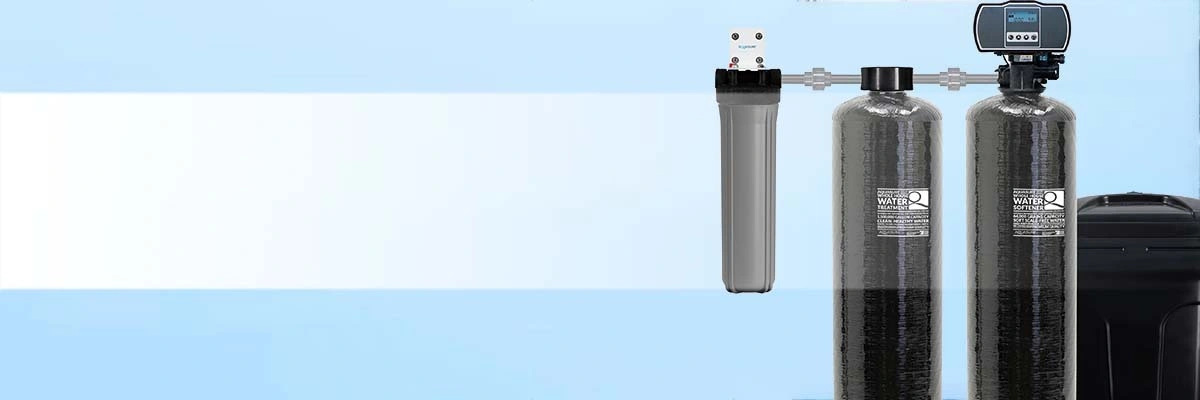
Standard single-tank softeners go offline during regeneration usually in the middle of the night. Dual-tank systems solve that problem by having two resin tanks that alternate, so you always have softened water flowing, even during a regeneration cycle.
Best for: Large families, households with high water usage, homes where water demand is around the clock.
Pros:
- Uninterrupted softened water supply
- Ideal for high-demand households
- Longer system lifespan due to shared workload
Cons:
- Larger footprint requires more space
- Higher initial investment
- Magnetic / Electronic Water Conditioners
These devices attach to your existing pipes and use a magnetic or electrical field to alter mineral behavior. They’re among the most affordable options upfront, but their effectiveness is hotly debated in the water treatment industry.
Best for: Light-duty use or as a supplemental measure.
Pros:
- Very low cost
- Easy to install with no plumbing changes
Cons:
- Limited scientific backing for effectiveness
- Not recommended as a standalone solution for Ohio’s hard water levels
- Reverse Osmosis + Softener Combo Systems
For homeowners who want both soft water AND ultra-pure drinking water, combining a salt-based softener with a reverse osmosis (RO) drinking water system is the ultimate setup. The softener handles whole-home protection, while the RO system removes up to 99% of contaminants from your drinking water at the tap.
Salt-Based vs. Salt-Free: The Real Comparison
| Feature | Salt-Based | Salt-Free |
| Removes hard minerals | Yes | No (conditions only) |
| Silky water feel | Yes | No |
| Requires maintenance | Salt refills | Minimal |
| Best for hard water | Highly effective | Moderate effectiveness |
| Eco-friendly | Moderate | Higher |
| Upfront cost | Moderate–High | Low–Moderate |
How to Choose the Right Water Softener for Your Home
When you’re ready to buy a water softener system, here are the key factors to consider:
Know your water hardness level: Get your water tested this single step tells you which system you actually need. Ohio water hardness averages well above 200 mg/L in many areas.
Assess your household size: Larger households need higher-capacity systems with faster regeneration cycles.
Think about your budget: Consider not just the upfront water softener cost but the long-term savings on energy bills, appliance repairs, and plumbing maintenance. Most homeowners recoup their investment within 2–4 years.
Consider your space: Dual-tank systems offer great performance but require more room in your utility area.
Factor in professional installation: A properly installed system lasts longer and performs better. Professional water softener installation also ensures your warranty stays valid and your system is sized correctly for your water usage.
Water Softener Buying Guide: Quick Checklist
Before you install a water softener, run through this quick checklist:
- Get a free water hardness test
- Know your household’s daily water usage
- Compare salt-based vs. salt-free based on your hardness level
- Budget for installation and ongoing maintenance
- Ask about warranties and service agreements
- Choose a trusted local provider familiar with Ohio hard water conditions
Why Trust Us
When it comes to water softener systems in Ohio, experience and local knowledge matter. Easton Water Solutions has been serving Logan County and Central Ohio homeowners for years with certified water specialists, free in-home water testing, and honest recommendations tailored to your specific water quality and budget, not a one-size-fits-all sales pitch. Our customers trust us because we show up, we know Ohio water, and we stand behind every system we install.
Frequently Asked Questions
Q: How do I know which type of water softener is right for my home?
Start with a professional water test, then choose a system matching your home’s hardness levels, water usage, and overall budget.
Q: What is the average water softener cost for an Ohio home?
Most Ohio homeowners spend between $500 and $3,000 installed, depending on system size, features, efficiency, and installation requirements.
Q: How long does it take to install a water softener?
Most professional water softener installations take between two and four hours, causing minimal disruption to your household or daily routine.
Q: Is a salt-free water softener effective for Ohio’s hard water?
Salt-free systems reduce scale buildup but usually cannot fully handle Ohio’s extremely hard water like traditional salt-based softeners can.
Q: Do I need to do anything special to maintain my water softener after installation?
Salt-based systems need regular salt refills every few weeks, while salt-free systems require occasional media replacement and simple inspections.
Q: Can a water softener help with water softener replacement on older systems?
Replacing older systems improves efficiency, reduces salt usage, enhances water quality, and provides better long-term performance for homeowners.
Conclusion: Make the Right Call for Your Water and Your Home
Choosing from the many types of water softeners doesn’t have to be overwhelming. Whether you’re comparing a salt-based vs. salt-free water softener, trying to figure out the right water softener cost for your budget, or simply ready to protect your home from Ohio’s notoriously hard water the next step is getting your water tested.
Don’t guess. Get the facts first. Easton Water Solutions offers a 100% free in-home water test with zero obligation. Our certified specialists come to your home, test your water on the spot, and recommend the best system for your needs, no pressure, no upselling, just answers. Call us today at 937-592-8379 or schedule your free water test online and start enjoying cleaner, softer water in your home.